Sculpting Subcultures: The Visionary Creators Turning Toy Design Into an Art Movement
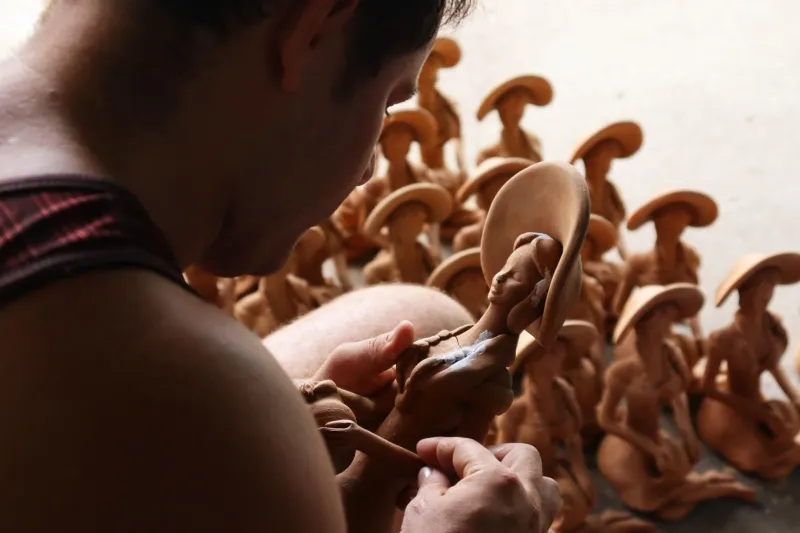
Every collector knows the feeling: you pick up a figure, turn it over in your hands, and feel something you can't quite explain. It's more than plastic or resin. There's a point of view baked into every curve, a personality in every painted detail. That feeling doesn't happen by accident — it comes from someone who spent months, sometimes years, wrestling a vision into physical form.
Designer toy culture is, at its core, an art movement. And like every art movement worth paying attention to, it's driven by a loose constellation of individuals who refused to stay in the lanes that were laid out for them.
From Zines to Zeitgeist: How Underground Art Found a New Canvas
To understand where designer toys are now, you have to go back to where they came from. The roots of this culture stretch into the underground art scenes of the late 1990s and early 2000s — Hong Kong's burgeoning street art world, the DIY ethos of American skateboarding culture, Tokyo's Harajuku aesthetic, and the graffiti-influenced art spaces of New York and Los Angeles.
Artists who had been making their mark on walls, zines, and limited-run prints started asking a natural question: what if the artwork itself was three-dimensional? What if it could sit on a shelf, be held, be traded?
The vinyl figure became their answer. And a culture was born.
What made this movement distinct from traditional toy manufacturing wasn't just the aesthetic — it was the philosophy. These weren't products designed by committee to appeal to the widest possible audience. They were personal statements, often strange, frequently confrontational, and always specific. The artists made what they wanted to make and trusted their communities to find them.
That trust, it turned out, was well placed.
The Creative Process: More Studio Art Than Product Design
Spend any time talking to the people who make designer figures and you'll quickly realize their creative process has more in common with fine artists than with toy manufacturers.
Many creators describe starting with character — a personality, an emotion, a recurring visual obsession — before they ever think about production. Sketches fill notebooks. Digital models get abandoned and restarted. Prototypes get made, rejected, and remade. The gap between concept and final figure can stretch across years.
"I probably went through thirty versions of my first figure before I felt like it was actually saying what I wanted it to say," says one independent creator who now runs a studio with a dedicated following of thousands. "People see the finished thing and think it came together quickly. They don't see the graveyard of bad prototypes."
This obsessive attention to detail is exactly what collectors respond to — and it's what separates figures that become cultural touchstones from ones that fade quietly from memory.
Materials matter enormously in this process. The choice between soft vinyl, hard resin, or cast iron isn't just aesthetic — it shapes what's possible in terms of detail, color, and durability. Some artists become deeply technical about their production methods, working closely with small-batch manufacturers in Asia to achieve specific finishes and textures. Others lean into imperfection, celebrating the slight variations that come from hand-painted or hand-poured processes.
Cult Followings Don't Build Themselves
The relationship between designer toy artists and their communities is unlike almost anything else in the art world. It's intensely personal, deeply reciprocal, and often built through years of consistent engagement long before any commercial success arrives.
Social media has been transformative here. Platforms like Instagram and TikTok have allowed artists to build direct relationships with their audiences — sharing process videos, teasing upcoming drops, and responding to the community in ways that traditional gallery representation never allowed. The result is a fan base that feels genuinely invested in the artist's journey, not just the finished product.
This intimacy creates loyalty that's almost impossible to manufacture. Collectors who've followed an artist from their first small-run drop to their first major collaboration feel a sense of shared history. When that artist's work starts commanding serious secondary market prices, those early supporters feel something close to pride.
It also creates accountability. Artists who engage authentically with their communities tend to maintain credibility even as their profiles grow. Those who drift from their origins or chase commercial appeal too aggressively often find their core audiences moving on quickly.
Emerging Creators You Should Know Right Now
One of the most exciting things about designer toy culture in 2024 and beyond is how many genuinely original voices are still in their early stages. Getting to know these creators now — before their work becomes impossible to find at retail — is one of the pleasures of being an active participant in this space.
A few things to look for when identifying artists worth watching:
Consistency of Vision The creators who break through tend to have a recognizable world — a set of recurring characters, color palettes, or thematic obsessions that feel coherent across their work. Look for artists whose pieces feel like parts of a larger universe, not random one-offs.
Community Depth How engaged is the artist with their audience? Artists who show up consistently — responding to collectors, sharing process content, being transparent about their work — tend to build the kind of loyal following that sustains long-term careers.
Production Integrity Small-batch, thoughtfully produced work almost always holds up better over time than mass-produced figures. Artists who are hands-on about their production process and prioritize quality over volume tend to produce pieces that age well both aesthetically and in terms of value.
Cross-Disciplinary Roots Some of the most interesting designer toy artists come from unexpected backgrounds — illustration, fashion, tattooing, architecture. That cross-pollination tends to produce work that feels genuinely fresh rather than derivative of existing trends in the space.
Why Their Stories Matter to Collectors
Here's something that experienced collectors will tell you: knowing the story behind a piece changes how you experience it. Understanding what an artist was wrestling with when they designed a figure, what cultural moment or personal history it emerged from, deepens the connection in a way that purely aesthetic appreciation can't.
That's why artist profiles and creator spotlights aren't just nice editorial content — they're part of the collecting experience itself. The more you understand the person behind the work, the more the work means.
At Store Labubu, we believe that collecting designer toys is an act of cultural participation. You're not just acquiring objects — you're aligning yourself with a point of view, a vision, a creative voice that's shaping how this generation sees the world.
The artists behind these figures aren't making toys. They're making culture. And the best time to start paying attention is always right now.