Never Opened, Never Loved: The Hidden Cost of Keeping Your Collection Sealed Forever
There's a specific kind of collector guilt that doesn't get talked about enough. It hits you around 11 p.m. on a Tuesday, when you're scrolling StockX or checking sold listings on eBay, and you realize the Labubu sitting in its original packaging on your shelf — the one you've been "protecting" for eight months — has barely moved in value. Meanwhile, you haven't actually looked at it in weeks. You've just been quietly maintaining it, like some kind of unpaid museum curator for a collection of one.
This is the collector's paradox, and it's more common than anyone in the hobby wants to admit.
The Box Became the Product
Somewhere along the way, the packaging stopped being a vessel and became the whole point. The mint-in-box obsession isn't unique to designer toys — it goes back to baseball cards, action figures, vintage sneakers — but it's taken on a particular intensity in the Labubu world, where blind box culture already builds anticipation into the purchase itself. You're supposed to not know what you're getting. The reveal is part of the experience. And then, for a huge portion of collectors, the reveal never actually happens.
The logic makes sense on the surface. Sealed pieces command premiums. Graded figures with verified original packaging fetch higher prices on resale platforms. If you're thinking about this purely as an asset, keeping things sealed feels like basic financial hygiene.
But here's what that logic quietly skips over: most people didn't get into collecting because they wanted a low-liquidity alternative investment with inconsistent returns. They got into it because they saw a tiny, gap-toothed, mischievous little figure and felt something.
What You're Actually Giving Up
Let's talk about what the sealed-forever strategy actually costs you — and not just emotionally.
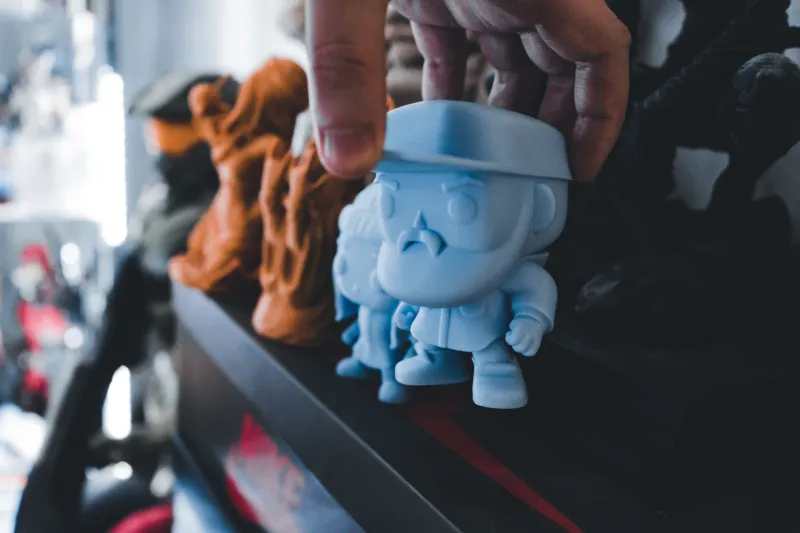
First, there's the obvious stuff. You don't get to display the piece properly. You don't get to photograph it in good lighting, style it with other figures, or put it somewhere it makes you smile when you walk into the room. The joy that made you want the thing in the first place is deferred indefinitely.
But there's also a subtler financial argument that often gets buried under the hype around mint condition premiums. Resale value for most collectible toys — even popular ones — is not guaranteed to appreciate linearly. The secondary market is volatile, trend-dependent, and heavily influenced by new releases. A figure that's hot today can cool significantly when the next wave drops or when a new character captures the community's attention. Holding sealed doesn't mean holding value. It means holding hope.
Long-time collectors will tell you this plainly. Marcus, a Philadelphia-based collector who's been in the designer toy space for nearly a decade, put it this way: "I kept probably thirty pieces sealed over the years thinking I was being smart. I ended up selling most of them for maybe ten or fifteen percent over what I paid. Meanwhile, the ones I opened, displayed, and actually lived with — those became the ones I'd never sell at any price. That's where the real value ended up being."
That last part is worth sitting with. The pieces he'd never sell aren't the ones locked in plastic clamshells. They're the ones that became part of his life.
The Resale Market Is Not Your Friend (At Least Not Always)
The resale market is a useful tool. It's not a lifestyle philosophy.
When collector communities treat mint-in-box as a universal standard of value, it creates a weird cultural pressure where opening your own purchase starts to feel irresponsible. You see it in forums, in Discord servers, in comment sections — someone mentions they opened a limited release and immediately gets a response about how they "killed the resale value." As if the figure existed primarily for a hypothetical future buyer rather than the person who actually wanted it.
This framing benefits platforms and flippers. It doesn't necessarily benefit you.
Jenna, a collector based in Austin who started buying Labubu figures during the early Pop Mart expansion in the US, describes a turning point she had about two years into the hobby. "I had a whole shelf of sealed boxes and I genuinely couldn't remember what half of them looked like inside. I was collecting packaging at that point. I wasn't collecting art."
She started opening things. Slowly at first, then more deliberately. "The first one I opened, I just sat with it for like twenty minutes. Just looked at it. And I remembered why I wanted it in the first place. That feeling doesn't happen through plastic."
The Case for Actually Owning Your Collection
None of this means sealed pieces are worthless or that preservation is a bad instinct. There are legitimate reasons to keep certain pieces sealed — true limited editions with documented scarcity, collaborative releases with significant cultural weight, or pieces you genuinely acquired as investments with a defined exit strategy. Intentional preservation is different from anxious hoarding.
The distinction matters. Are you keeping it sealed because you have a plan, or because you're afraid to make a decision?
The collector's paradox lives in that gap between intention and inertia. A lot of people are sitting on sealed collections not because they've made a thoughtful financial choice, but because opening feels irreversible and reversibility feels safe. The problem is that safety, in this context, comes at the cost of the actual experience.
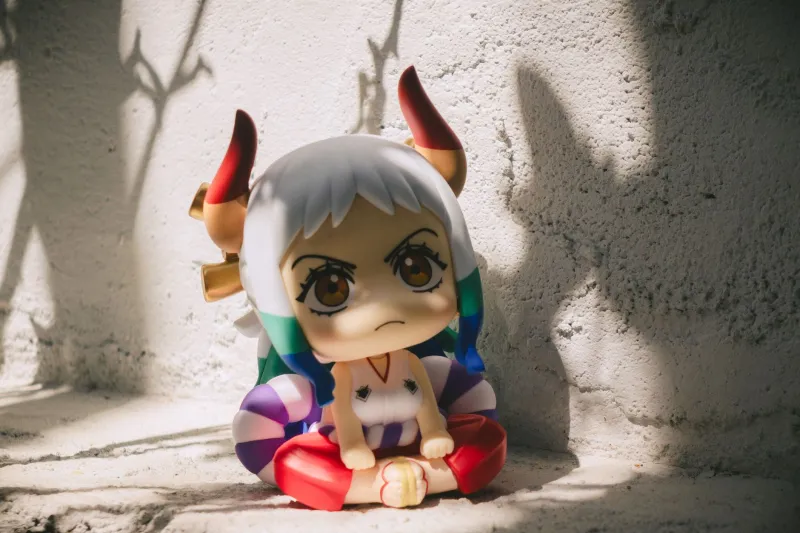
Designer toys — and Labubu specifically — are objects designed to create a relationship. The character design is deliberate, expressive, almost confrontational in its charm. Those teeth, that posture, the way the figure occupies space — all of it is crafted to do something to the person looking at it. That interaction doesn't happen through a sealed box. It happens on a shelf, in good light, next to other pieces that tell the story of your taste and your obsessions.
Collect for Yourself First
The healthiest version of this hobby — the one that actually sustains long-term enthusiasm — is built around personal meaning rather than market speculation. That doesn't mean ignoring value. It means understanding that the value you get from genuinely enjoying a piece is real, even if it doesn't show up on a resale platform.
Open the thing. Put it somewhere you'll see it. Let it do what it was made to do.
If it turns out to be a piece you're indifferent to after all, sell it and use the money to find something you're not indifferent to. That's a more honest relationship with the hobby than treating your entire collection like a portfolio you're afraid to touch.
The figures you actually live with — the ones that end up in your photos, that friends ask about when they visit, that you find yourself rearranging at midnight because the light hits them differently — those are the ones that make collecting worth it. Sealed boxes don't do that. They just take up space and generate low-grade anxiety.
You already own the vibe. At some point, you have to actually let yourself feel it.