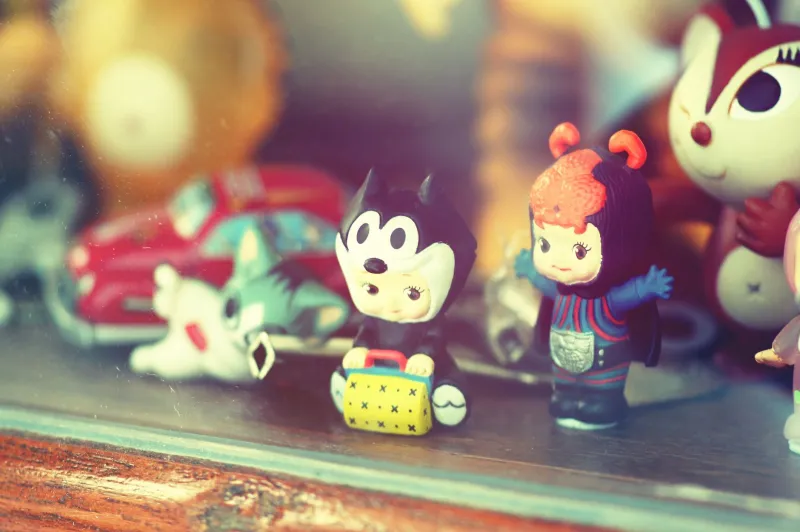
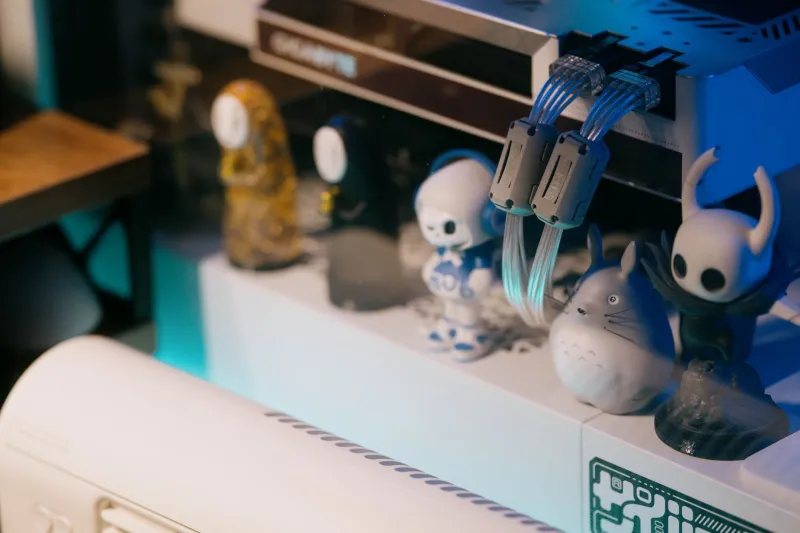
Reprinted and Complicated: What Happens to Your Soul (and Your Shelf) When a 'Limited' Figure Comes Back
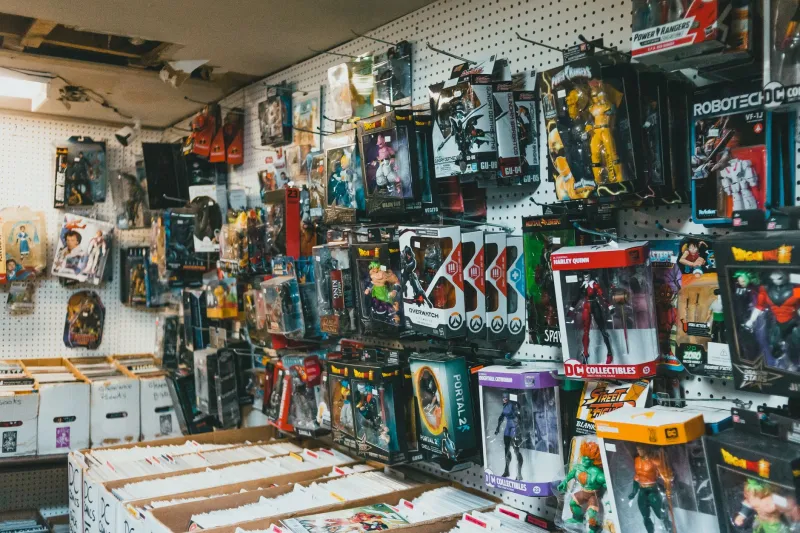
Let's set the scene. You spent three months tracking down a figure. You paid resale prices — maybe not obscene, but definitely more than retail. You brought it home, found the perfect spot on your shelf, and quietly felt like you'd won something. Then, six months later, the brand announces a second production run. Same figure. Same colorway. New retail price.
Your stomach drops.
This is the reprint dilemma, and if you've been collecting designer toys for any real stretch of time, you've probably lived some version of it. The feelings are messy: a little betrayed, a little embarrassed, a little defensive. And underneath all of it, a question you don't really want to answer — did I just overpay for something that wasn't actually rare?
Short answer: kind of. Long answer: it's way more complicated than that.
The Market Math Nobody Wants to Do
Here's the uncomfortable truth about resale values in the designer toy space. Secondary market prices are built almost entirely on perceived scarcity. When a figure is hard to find, collectors bid it up. When supply catches up with demand — through a reprint, a wider retail rollout, or a pop-up exclusive going general release — prices typically correct. Sometimes sharply.
Data from platforms like StockX and various collector Discord communities shows that reprint announcements can drop resale values anywhere from 20 to 60 percent within the first 48 hours of the news going public. For figures that were trading at two or three times retail, that's a real dollar loss on paper. For someone who paid $180 for a figure now sitting at $75 resale? Yeah. That stings.
But here's what that math misses entirely: most collectors weren't planning to sell.
The Emotional Accounting Is Different
Talk to enough collectors and you start to notice a pattern. The ones who feel most burned by reprints are almost always the ones who — consciously or not — were treating their figures as investments. They'd done the math. They knew what the piece was trading for. They felt like they'd made a smart buy.
The collectors who shrug it off? Usually the ones who bought because they genuinely loved the piece.
"I paid over retail for my first Labubu because I couldn't find it anywhere and I just had to have it," says Marcus, a collector based in Portland who's been in the game for about four years. "When they released more, I was annoyed for like a day. But then I looked at it on my shelf and realized — I still love this thing. The reprint didn't change what it means to me."
That distinction matters. When your primary relationship with a figure is emotional — when you bought it because something about the design hit different, because it reminded you of a specific moment, because you've been following that artist for years — a reprint doesn't really threaten anything real. The meaning you attached to it was never about scarcity.
When Brands Do It Right (and When They Don't)
Not all reprints are created equal, and the way a brand handles re-releases says a lot about how much they actually respect their collector base.
The worst-case scenario is a silent pivot — a brand quietly expands production without acknowledging that early buyers paid significantly more. No explanation, no communication, no goodwill gesture. That's the move that genuinely damages trust, and it's the version collectors remember.
The better approach is transparency. Some brands have started announcing reprint windows upfront, essentially telling buyers: "This will be available again in six months." Others distinguish clearly between open-edition pieces and true one-time-only drops. That kind of honesty lets collectors make informed decisions rather than feeling like they got played.
King of anything, though? The brands that use reprints strategically to grow the community rather than just move more units. When a figure that was previously inaccessible gets a wider release, new collectors enter the ecosystem. The community grows. And a bigger, more engaged community almost always benefits everyone in it — including the people who bought early.
The Argument for Being an Early Adopter Anyway
Here's a reframe that might actually help. Being early to a figure — even if it gets reprinted later — isn't a financial mistake. It's a different kind of value exchange.
You got the piece when you wanted it. You didn't have to wait. You lived with it for six months before anyone else could. In a culture that moves fast and rewards patience poorly, there's something genuinely worth paying for in having the thing now.
Some collectors have started thinking about that premium as a "first-access fee" rather than an overpayment. You weren't buying scarcity. You were buying immediacy. That's a real product. It just doesn't show up on a resale spreadsheet.
"I've stopped thinking about what I paid versus what it's worth now," says Janelle, a collector from Atlanta who focuses primarily on art figures and blind box series. "I paid what it cost me to have it when I wanted it. That's not a mistake. That's just the price of not waiting."
What Actually Holds Value — And Why
For collectors who do care about the financial side of things, reprints offer a useful signal: the figures that don't get reprinted are the ones that genuinely hold and grow in value. Artist-original pieces with truly limited runs, colorways tied to specific events or collaborations, early-production variants with distinct packaging details — these are the categories where scarcity is structural rather than manufactured.
Knowing the difference between "limited because they said so" and "limited because it's actually impossible to make more" is one of the more useful skills a collector can develop. It doesn't make reprints less frustrating in the moment, but it does help you make smarter calls going forward.
The Shelf Doesn't Lie
At the end of it, the figures that matter most to serious collectors usually aren't the ones with the highest resale comps. They're the ones with the best stories. The one you found at a pop-up at 7am. The one a friend tracked down for you when you were out of the country. The one you bought the day something good happened and you wanted to mark it somehow.
A reprint can't touch any of that. Your story with that figure is yours, and no second production run changes when you got it, why you got it, or what it meant at the time.
So yeah — maybe you overpaid by resale standards. Maybe the figure is more accessible now than when you bought it. But if it's still sitting on your shelf and you still feel something when you look at it, the math worked out fine.
That's the thing about collecting that spreadsheets can't really capture. Value isn't always something you can sell. Sometimes it's just something you know.