You Are What You Collect: How Labubu Became a Mirror for Modern Identity
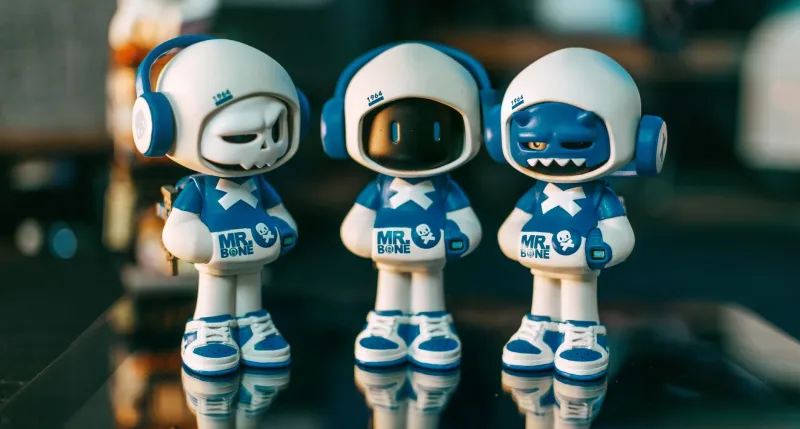
Somewhere between unboxing a blind bag and posting the reveal on TikTok, something quietly happens to a lot of first-time Labubu buyers. The toy stops being a toy. It starts being them — or at least a very loud, very stylish extension of them. It ends up on their desk at work, clipped to their carry-on bag, or propped next to their coffee setup in their morning routine video. And when someone asks about it, they don't just say "it's a collectible." They say, "it's kind of my thing."
That shift — from purchase to personality — is exactly what makes Labubu one of the more culturally interesting design phenomena to come out of the past decade. Pop Mart's creative direction didn't just produce a popular product. It produced a character that people genuinely want to be associated with.
The Character Did the Work First
Let's give credit where it's due: Kasing Lung's original vision for Labubu is doing a lot of heavy lifting here. The character — part mischievous, part mysterious, with those iconic jagged teeth and wide, knowing eyes — occupies a very specific emotional space. It's not cute in a soft, approachable way. It's cute in a way that has an edge to it. A little feral. A little unbothered.
That specific energy resonates with people who feel like they don't quite fit into the mainstream "adorable collectible" crowd. Labubu gives collectors a way to signal something about themselves without saying a word: I have taste. I like weird things. I'm in on something you might not know about yet.
Pop Mart understood this and built on it deliberately. The brand's collaborations — from high-fashion partnerships to limited regional releases — have consistently reinforced the idea that Labubu exists at the intersection of art, streetwear, and subculture. That positioning didn't happen by accident.
Does Labubu Find Its People, or Make Them?
Here's the genuinely interesting question: Are people drawn to Labubu because it already matches their aesthetic, or does owning one actually start to shape how they present themselves?
The honest answer is probably both, and the order depends on the person.
For a lot of collectors — especially those who came in through the streetwear or sneaker side of things — Labubu was a natural fit. They already had an eye for limited drops, appreciated designer collaborations, and understood the cultural currency of owning something not everyone could get. Labubu slid right into that world like it had always belonged there.
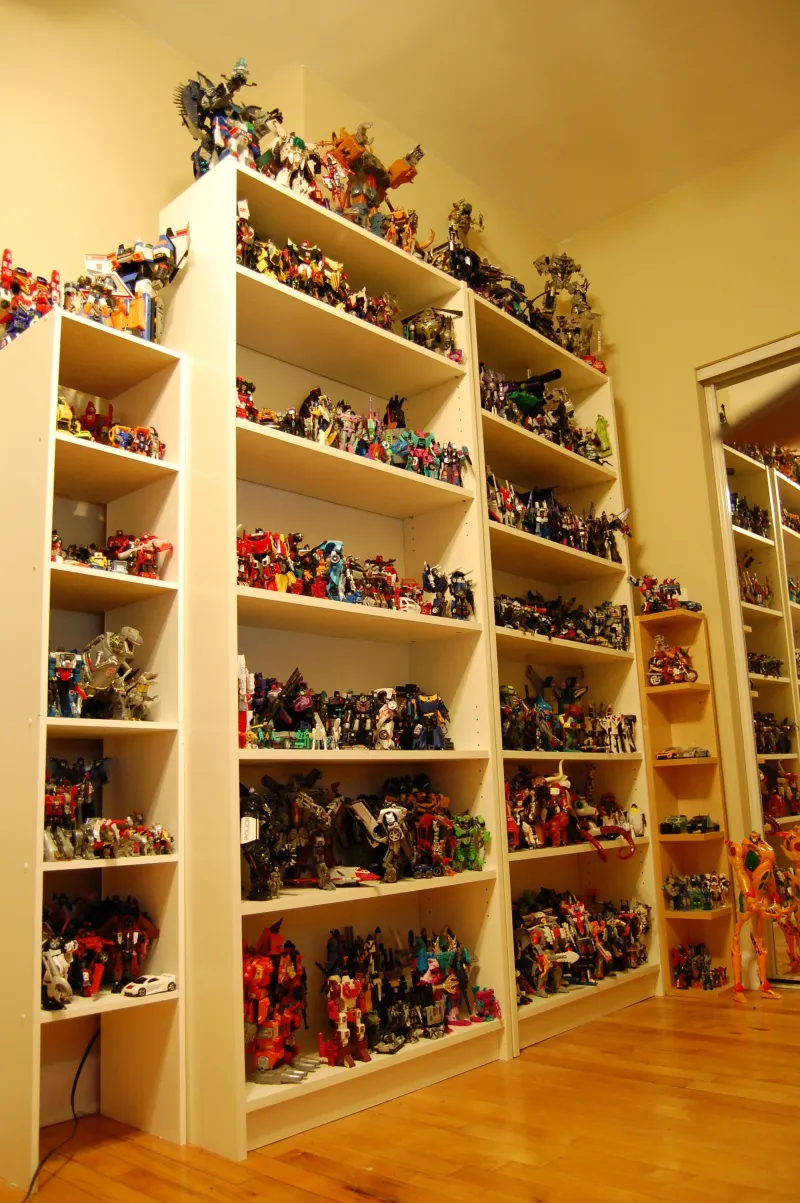
But for others, Labubu was genuinely the entry point. A gift, a blind box impulse buy at a mall kiosk, a figure spotted on someone's Instagram shelf. And once it was in their hands, it started pulling them somewhere new. Suddenly they were researching colorways, joining Discord servers, rearranging their apartment shelves. The toy didn't just fit their identity — it quietly expanded it.
Psychologists call this kind of thing "self-concept extension" — the way objects we own become integrated into how we understand ourselves. Designer toys, maybe more than most categories of stuff, are built for exactly this. They're visually distinctive, they carry cultural meaning, and they're displayed rather than stored. You see them every day. Other people see them too.
The Demographics Tell an Interesting Story
What makes the Labubu identity phenomenon especially worth examining is how it plays out across different groups of people.
Among younger collectors — Gen Z in particular — Labubu functions almost like a mood board in physical form. The character's range of colorways, limited editions, and collaboration pieces means there's a version that fits almost any aesthetic niche: dark academia, Y2K revival, maximalist cottagecore, clean-girl minimalism. Collectors don't just buy the one that looks coolest in general. They buy the one that looks most like them.
For millennial collectors, the draw tends to be slightly different. There's often a nostalgia layer — a connection to the art toys and vinyl figure culture of the early 2000s that Labubu both honors and updates. Owning Labubu can feel like reclaiming something that got lost in the rush to seem like a responsible adult, while also feeling current enough to not be pure nostalgia bait.
And then there are the collectors who came in purely through the investment and resale angle, who started treating Labubu like a portfolio asset — and ended up genuinely attached to specific pieces in ways they didn't expect. Turns out it's hard to stare at something beautiful on your shelf every day without starting to feel something about it.
The Pop Mart Machine and the Illusion of Scarcity
Pop Mart's business model is worth acknowledging here, because it's doing a lot of the identity work too. The blind box format, the regional exclusives, the timed drops — all of it creates a collector culture where what you have is a direct reflection of how plugged-in you are. Getting the rare colorway isn't just lucky. It signals that you're paying attention, that you're in the community, that you showed up.
That's a very deliberate kind of identity construction. Pop Mart isn't just selling toys. It's selling the experience of being someone who gets it — and then giving you a physical object to prove it.
The result is a self-reinforcing loop. The more culturally resonant Labubu becomes, the more meaningful it is to own one. The more meaningful it is to own one, the more it becomes part of how collectors define themselves. And the more it defines collectors, the more culturally resonant it becomes.
When a Toy Becomes a Vibe
There's a phrase that gets thrown around in collector communities: "it's giving Labubu energy." People use it to describe aesthetics, attitudes, even other people. That's the moment you know a character has crossed from product into cultural shorthand.
Labubu energy, for the record, seems to mean something like: slightly chaotic, aesthetically confident, aware of the game but not taking it too seriously. Which, honestly, is a pretty solid personality to aspire to.
Whether collectors come to Labubu already carrying that energy or develop it somewhere along the way, the result is the same — a character that doesn't just sit on a shelf, but starts showing up in how people dress, what they follow, who they talk to, and how they think about the stuff they choose to surround themselves with.
That's not a toy doing that. That's art doing that. And that's exactly the kind of thing we're here for.