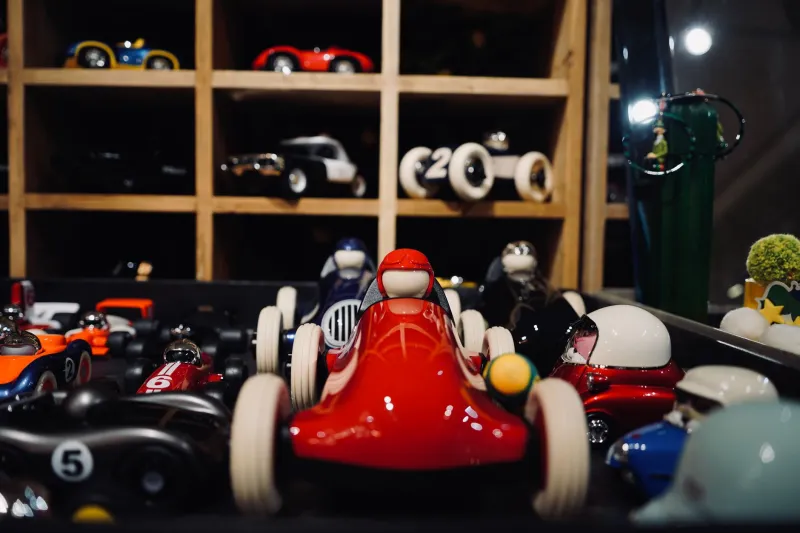
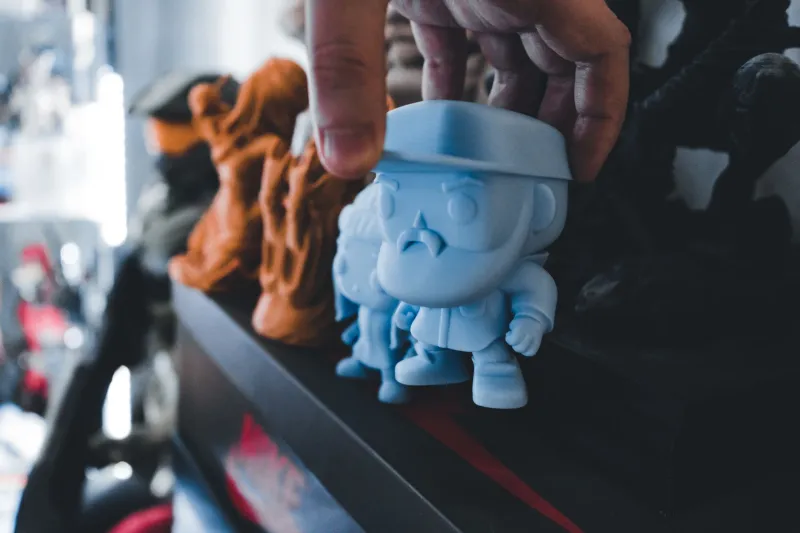
The Art of the Reset: Why Smart Collectors Never Stop Rearranging Their Shelves
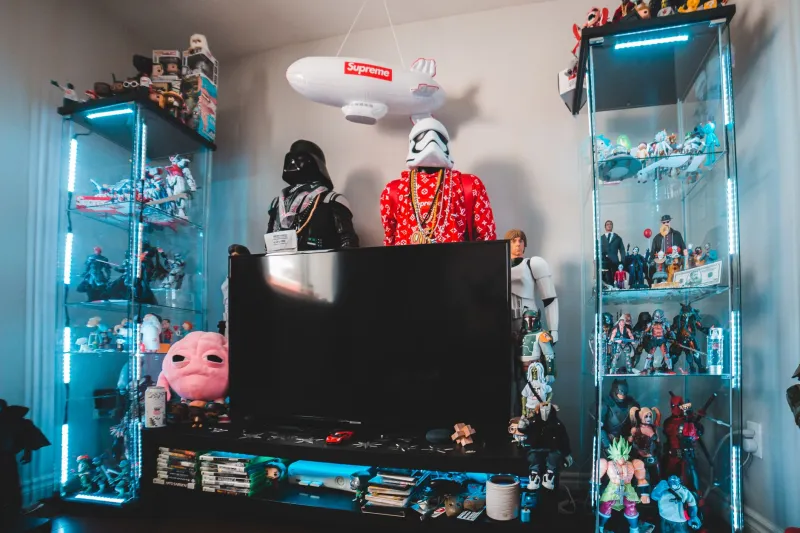
There's a specific kind of collector paralysis that hits around month three of owning a grail piece. You fought for it. You paid for it. You positioned it perfectly under the LED strip lights. And then, somewhere between Tuesday and Thursday, you stopped seeing it.
Not physically. It's still there. But your brain has quietly filed it under furniture, right next to the lamp and the TV stand.
This is why the best collectors never let their shelves go stagnant. Rotating displays isn't a quirk or a sign of indecision—it's one of the most underrated practices in the hobby. And the more you dig into it, the more it starts to look less like collecting and a lot more like curating.
Your Brain Is the Problem (And Also the Solution)
Human attention is wired for novelty. Neuroscientists call it habituation—the process by which your nervous system learns to ignore stimuli that don't change. It's the same reason you stop noticing the hum of your refrigerator or the art print you hung three years ago.
Your shelf is no different. When the same lineup greets you every morning, your brain stops processing it as interesting. The dopamine response that fired when you first set up that display? It fades. Fast.
Rotating pieces disrupts habituation. When you pull a figure from storage and give it a fresh spot on the shelf, your brain treats it like a new acquisition—even if you've owned it for two years. The visual surprise triggers a mild but real re-engagement. Collectors who do this regularly describe it as "falling back in love" with pieces they thought they'd outgrown.
That's not sentiment. That's neuroscience working in your favor.
The Gallery Model Makes More Sense Than You Think
Walk into any serious art gallery in New York or LA and you won't see the same show hanging for years on end. Exhibitions rotate. Pieces go into storage. New work comes forward. The curation is intentional and ongoing because the people running those spaces understand something collectors often forget: context changes value.
A piece that gets lost in a crowded shelf suddenly becomes the centerpiece when it's displayed alone against a clean backdrop. A figure that felt overshadowed by its neighbors hits differently when it's given breathing room and a complementary partner.
Some collectors have started borrowing this language directly. They talk about "running a show" on their shelves—giving a particular artist, colorway, or character a dedicated moment before rotating the spotlight to something else. It's a mindset shift that transforms a passive hobby into an active creative practice.
The Practical Math of Rotation
Beyond the psychological benefits, there's a genuinely practical case for keeping pieces in circulation.
Space is finite. Most collectors in US apartments and suburban homes aren't working with unlimited square footage. Trying to display everything at once leads to overcrowded shelves that undermine every individual piece. Rotation forces prioritization, which forces clarity about what you actually love versus what you're just storing in the open.
Condition matters for value. UV exposure, dust accumulation, and humidity fluctuations can degrade figures over time—especially painted resin and soft vinyl pieces. Moving pieces into proper storage between display periods isn't just curatorially smart; it's preservation. Pieces that spend time in controlled storage conditions tend to hold their grade better, which matters if you ever decide to sell.
It keeps your eye sharp. Collectors who regularly handle and reposition their pieces develop a better tactile and visual familiarity with their collection. That familiarity pays off when you're evaluating a potential purchase or trying to spot a counterfeit at a swap meet.
Building a Rotation System That Actually Works
The biggest reason collectors don't rotate is friction. If your storage situation is a chaotic pile of boxes in a closet, you're not going to dig through it every few weeks. The fix is building a system that makes rotation low-effort.
Start with proper archival storage for off-display pieces—clear stackable bins, acid-free tissue, silica gel packets. Label everything. When rotation feels like a five-minute task instead of a half-day excavation, you'll actually do it.
Some collectors work on a seasonal schedule, doing a full reset every three months. Others rotate one shelf at a time on a rolling basis, swapping out two or three pieces whenever the mood hits. Neither approach is wrong. The only wrong move is treating your display as a permanent installation.
A few collectors in the designer toy space have started keeping a "rotation log"—a simple note in their phone tracking which pieces are displayed, which are in storage, and when they last moved things around. It sounds obsessive until you realize it's the same thing museum registrars do for million-dollar collections.
What Rotation Tells You About Your Collection
Here's the part nobody talks about: rotating your display is one of the most honest assessments you can run on your collection.
When a piece comes out of storage and you feel nothing—no excitement, no urge to find it a good spot—that's information. It might mean the piece no longer fits where your taste has gone. It might mean it was an impulse buy that never really landed. Either way, that emotional data is useful. Pieces that consistently fail to excite you when they re-emerge are probably candidates for the resale market, freeing up both space and budget for things that actually spark something.
Conversely, the pieces you find yourself reaching for again and again, the ones that always seem to find their way to the front of the shelf no matter how many times you rotate? Those are your real collection. The rest is inventory.
The Living Shelf
The collectors who get the most out of this hobby long-term aren't the ones with the most pieces or the highest-value holdings. They're the ones who stay actively engaged with what they own—who treat their shelves as something to tend rather than something to fill.
Rotation is how you keep that engagement alive. It's how a shelf stays interesting to you on a random Wednesday, not just the day you set it up. It's how you honor the figures you've collected by actually seeing them, instead of letting them disappear into the background noise of your apartment.
The shelf isn't a trophy case. It's a conversation. And like any good conversation, it needs to keep moving.