Buy Low, Sell Vinyl: A No-Nonsense Guide to Flipping Designer Toys in the Resale Market
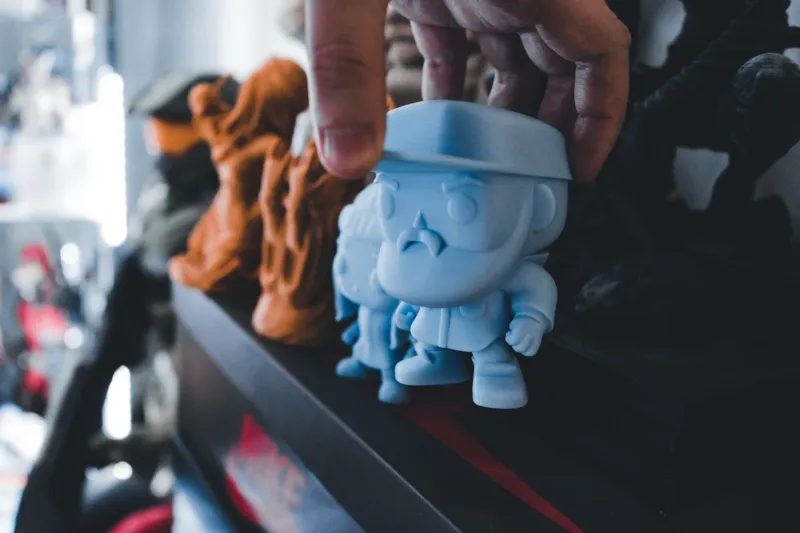
Not every collector is in it purely for love of the art. Some of the sharpest operators in the designer toy world are running what amounts to a side business — buying limited drops at retail, holding strategically, and selling into demand spikes for margins that would make a stock trader raise an eyebrow. It's not a hustle for the impatient or the uninformed, but for those willing to do the homework, the secondary market for art toys and collectible figures is one of the more accessible alternative revenue streams out there right now.
This isn't about get-rich-quick schemes or gaming bots (though we'll talk about bots). It's about understanding how scarcity, community, and timing interact to create real arbitrage opportunities — and how to position yourself to take advantage of them.
Understanding Why the Secondary Market Exists
Designer toy releases are intentionally scarce. Brands like Pop Mart, Medicom, Superplastic, and independent artists structure their drops to sell out fast — sometimes in minutes. That scarcity isn't accidental; it's the entire engine of the market. When supply is capped and demand continues to build (through social media buzz, influencer coverage, and community hype), prices on the secondary market often climb well above retail almost immediately.
The figures that move the needle tend to share a few traits: they're from established artists with proven demand, they're part of a series with an active collector base, they have a compelling visual hook, or they mark a cultural moment — a collaboration, a milestone, a sold-out exhibition. Understanding which of these factors is driving a specific release is the first step to making smart buying decisions.
The Platforms: Where the Action Happens
The US resale market for designer toys is spread across several platforms, each with its own dynamics.
StockX has expanded significantly into collectibles and is now one of the most liquid markets for high-demand pieces. Its authentication process adds a layer of buyer trust that commands slightly lower margins for sellers, but also means faster, more confident transactions.
eBay remains the largest and most flexible marketplace. You'll find everything from retail-priced listings to eye-watering premiums on rare pieces. The fee structure (roughly 13.25% on collectibles) eats into margins, but the audience is massive.
Whatnot is the live-auction platform that's genuinely changing how collectors buy and sell. Live drops, real-time bidding, and an engaged community create moments of genuine price discovery — and for sellers with personality and an established following, it can be extremely lucrative.
Facebook Groups and Discord servers remain important for peer-to-peer sales with lower fees, though they require more trust-building and carry more risk for both parties.
For most resellers, the smart play is to list across multiple platforms simultaneously, with slight price variations to account for fee differences, and pull listings once a sale closes.
Reading the Drop: Spotting Undervalued Releases
The most profitable flips don't always come from the most hyped releases. In fact, the biggest hype often means the most competition at checkout and the fastest price correction on the secondary market as supply from multiple resellers hits simultaneously.
Some of the best opportunities come from:
Overlooked colorways or variants. A series might have one breakout character that gets all the attention, while a less-hyped variant quietly appreciates because fewer people bought it. Collectors completing sets will eventually need every piece.
Regional exclusives. Pieces released exclusively at specific US conventions (like Designer Con in Anaheim) or through single-retailer partnerships often have limited total supply that isn't fully appreciated at release. These can be slow burns that pay off significantly over 6–18 months.
Artist career inflection points. When an emerging artist lands a major collaboration or gets significant press coverage, demand for their earlier, lower-profile releases spikes. If you've been collecting their work before the breakout, you're holding inventory that's suddenly worth multiples.
Case in point: collectors who picked up early Labubu releases before the character's global explosion in 2023–2024 saw values on some pieces climb 300–500% as mainstream awareness caught up to community enthusiasm. The signal was there in the community data — the mainstream just hadn't arrived yet.
Timing Your Sales: Patience Is the Strategy
The single most common mistake new resellers make is selling too early. The secondary market for limited designer toys often follows a predictable pattern: a spike immediately after a sellout (driven by FOMO buyers), a slight correction as early flippers take profit, and then a longer appreciation curve as genuine collectors seek out the piece.
For pieces from established artists with long-term collector bases, holding 3–6 months post-drop frequently outperforms the immediate flip. For more speculative pieces — collaborations with celebrities or brands where the cultural moment is time-sensitive — faster exits often make more sense.
Track pricing trends using tools like Price Charting or by monitoring completed eBay sales (filter by "Sold" listings, not asking prices). Asking prices are noise. Completed sales are signal.
Building Trust: The Reputation Game
In a market full of anonymous sellers, reputation is a genuine competitive advantage. Buyers pay premiums — and buy faster — from sellers with strong track records. Here's how to build one:
Photograph obsessively. Every piece you sell should have clear, well-lit photos of the figure, the box, all inserts, and any authentication materials. This protects you from disputes and signals professionalism.
Be honest about condition. If a box has a small dent or a figure has minor paint variance, say so upfront. The short-term hit to your price is worth far less than a dispute or a negative review.
Communicate fast. Respond to buyer questions within hours, not days. Ship within your stated timeframe. Include tracking. These basics separate trusted sellers from the rest of the pack.
Build a presence. Sellers who are active in collector communities — Discord servers, Reddit's r/designertoys, collector Facebook groups — build recognition that translates directly into buyer confidence.
Counterfeit Red Flags: Protect Yourself and Your Buyers
The designer toy market has a counterfeit problem, particularly for high-demand pieces from Pop Mart and Medicom. Buying a fake and reselling it — even unknowingly — can destroy a reputation overnight and expose you to platform penalties.
Red flags to watch for when sourcing:
- Pricing significantly below secondary market value. If it seems too good to be true, it usually is.
- Packaging inconsistencies. Blurry logos, off-color printing, incorrect font weights, and misaligned text are common tells on fakes.
- Missing QR codes or authentication stickers. Pop Mart and many other brands include scannable authentication on packaging. Verify they work.
- Seller location mismatches. A US-listed item shipping from a warehouse in Shenzhen with no explanation warrants caution.
When in doubt, buy from authorized retailers or established community members with verifiable track records. The few dollars saved on a sketchy deal aren't worth the risk.
The Bottom Line
The designer toy resale market rewards preparation, patience, and community involvement. It's not passive income — it takes real attention to market signals, platform dynamics, and relationship-building. But for collectors who are already deep in the hobby, the infrastructure is largely already there. You know the artists, you understand the releases, you're plugged into the community conversations.
At Store Labubu, we're not just here to sell you pieces — we're here to help you understand what you're holding. Because the best collectors know that every figure tells a story, and the secondary market is just another chapter.