Shelf Life: How Serious Collectors Build Displays That Are Equal Parts Art Gallery and Fortress
Let's be real — the moment you drop serious money on a limited edition Labubu or a signed Kaws Companion, tossing it on a random shelf next to your car keys isn't going to cut it. The way you display your collection is a statement. It's the difference between a hobby and a lifestyle. And if you've ever scrolled through collector setups on Instagram or TikTok and felt that immediate rush of shelf envy, you already know: display is everything.
But building the ultimate collectible shelf isn't just about looking cool. It's about protecting pieces that can be worth hundreds — sometimes thousands — of dollars, while creating an environment that does justice to the artistry behind each figure. We broke down the whole process so you can stop improvising and start curating.
Start With the Right Shelving Foundation
Before you think about lighting or arrangement, the structure itself matters. Floating wall shelves are the go-to for a clean, gallery-style look, but not all are built equal. For heavier resin figures or large-format pieces, look for shelves rated for at least 50 lbs per bracket — IKEA's Lack series is a budget-friendly starting point, but collectors who are serious about longevity often graduate to custom floating shelves from brands like Floating Shelf Co. or even custom woodworking shops on Etsy.
Detolf display cases from IKEA remain a community staple for good reason: they're affordable, glass-enclosed, and stackable. For higher-end setups, brands like Detolf Mods (a thriving DIY community) have developed lighting kits and door replacements that transform a $70 cabinet into something that looks straight out of a SoHo gallery. Acrylic display cases — available in bulk from suppliers like ClearBags or Washi Arts — are another option for individual pieces, especially if you want to show off packaging.
Lighting Is the Secret Weapon
Here's the thing most new collectors overlook: even the most spectacular figure looks flat under bad lighting. The goal is to make your pieces glow, not just sit there.
LED strip lights are the collector community's best friend. Govee and Philips Hue both offer bias lighting strips that can be cut to length and tucked behind shelf edges for a soft, diffused backlight effect. For Detolf cases, the IKEA Dioder kit is a classic, though many collectors now prefer the Govee RGBIC strips for more color control.
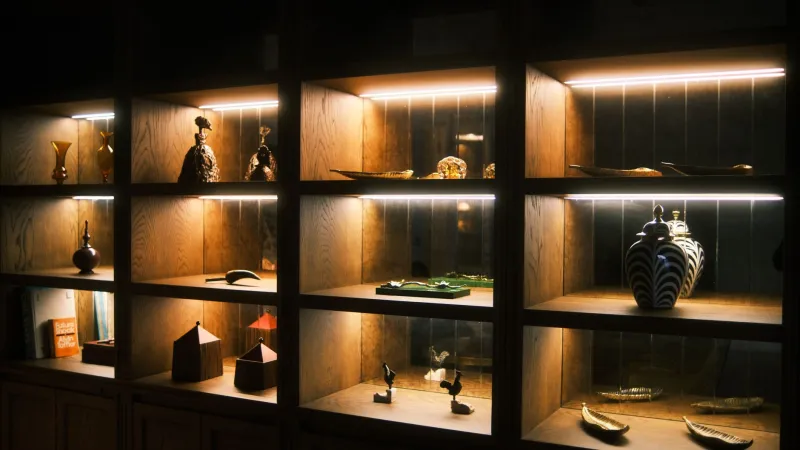
Spotlighting individual hero pieces with small, adjustable puck lights creates a museum-style focal point. Position them at roughly a 45-degree angle above the figure to minimize harsh shadows on the face and details. Warm white (around 3000K) tends to bring out the richness of painted vinyl and resin finishes, while cooler tones (5000K+) can make metallics and chrome elements pop.
One word of caution: heat. LED strips generate minimal heat compared to older halogen options, but enclosed cases can still trap warmth. Leave a small gap at the top of enclosed shelves or opt for ventilated display cases if you're running multiple light sources in a small space.
Climate Control: The Unsexy Essential
Serious collectors treat their display rooms like museums — because functionally, that's what they are. Vinyl and resin are more sensitive to environmental conditions than most people realize. Prolonged exposure to direct sunlight causes color fading and can warp softer vinyl pieces over time. Humidity fluctuations cause paint to crack and adhesives to fail.
Ideal conditions for a display space sit between 65–75°F and 40–55% relative humidity. A basic digital hygrometer (under $15 on Amazon) lets you monitor both. If humidity is a concern — especially in coastal climates or basement setups — a small dehumidifier or silica gel packets inside enclosed cases will do the work.
For UV protection, consider investing in UV-filtering acrylic panels for open shelves, or UV-blocking window film if your display wall gets significant natural light. This is especially important for limited edition pieces with hand-painted details or artist signatures, where fading directly impacts resale value.
Arrangement: The Art Within the Art
How you arrange your pieces is where personal style takes over — but there are a few principles that consistently produce stunning results.
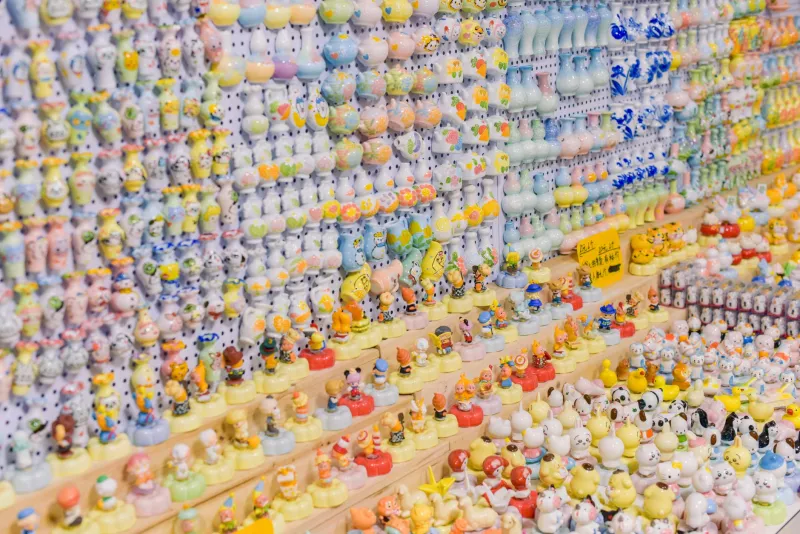
Group by artist or series. Keeping a full Labubu Macaron series together, for example, creates a visual narrative that's immediately satisfying. It also helps viewers (and potential buyers) understand the scope of what you're collecting.
Vary height and depth. Use acrylic risers and small display stands to create tiered arrangements. Placing taller pieces toward the back and shorter ones in front gives depth and prevents the flat, one-dimensional look of a simple lineup.
Leave negative space. This is the biggest mistake new collectors make — cramming every inch of shelf. Negative space lets each piece breathe and signals intentionality. Think gallery wall, not garage sale.
Create one hero moment per shelf. One standout piece — maybe your most valuable, most meaningful, or most visually striking figure — should anchor each shelf. Build the rest of the arrangement around it.
Security: Protecting What You've Built
When your collection starts representing real money, security stops being paranoid and starts being practical. A few smart moves can protect your investment without turning your display room into a vault.
Locking display cases are the first line of defense. Many serious collectors use Detolf cases with aftermarket magnetic locks, or opt for commercial display cases with built-in keyed locks. For open shelves, museum putty (the same stuff used in earthquake-prone areas of California) secures pieces to shelves without damaging bases.
For high-value pieces, document everything. Photograph each figure with its box, authentication cards, and any receipts. Store photos in a cloud service and keep digital copies of purchase records. This matters both for insurance purposes and for establishing provenance when you eventually sell.
Speak to your renter's or homeowner's insurance provider about a collectibles rider — many policies have low caps on collectibles without a specific add-on, and the cost of additional coverage is usually minimal compared to what you're protecting.
The Instagram Factor (Yes, It Matters)
Let's not pretend the 'gram isn't part of this. Sharing your setup builds community, attracts trade opportunities, and honestly — it's just fun. A few quick tips for shelf photography: shoot in natural light from a window to the side (not behind you), use a phone tripod for sharper shots, and consider a simple backdrop like a dark wall or neutral gradient paper to make colors pop.
The collectors with the most-followed shelf setups aren't necessarily the ones with the rarest pieces. They're the ones who put thought into presentation, lighting, and storytelling. Your display is the frame. Make sure it's worthy of the art inside it.
At Store Labubu, we believe that collecting isn't just about ownership — it's about creating a space that reflects who you are and what you value. The pieces you choose to display are an extension of your identity. Build accordingly.