Two Hundred Bucks and a Dream: How to Build a Real Collection Without Going Broke
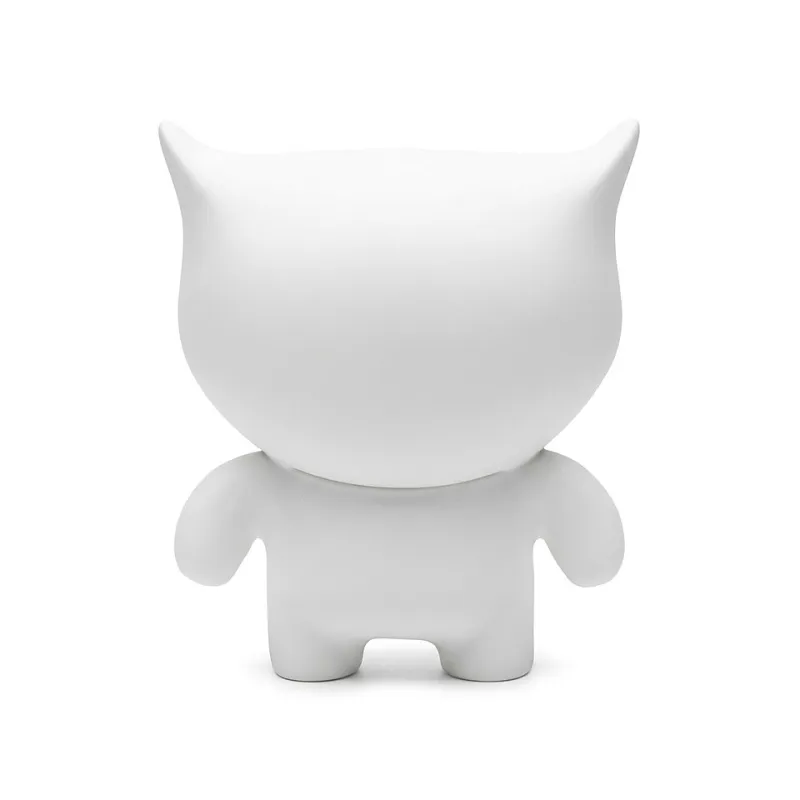
Photo: Thomas Victor Lopez, CC BY-SA 4.0, via Wikimedia Commons
Everybody's feed makes collecting look like a rich person's hobby. Limited drops, resale markups, someone unboxing a $900 art figure like it's a Tuesday. But here's the truth nobody posts: every serious collector you admire started somewhere small, and most of them wish they'd started smarter.
The good news? Two hundred dollars is genuinely enough to build a starter collection you'll be proud of. The catch is that the first month is where most beginners torch their budget — and their enthusiasm — on mistakes that are entirely avoidable.
Start at Retail, Always
The single biggest rule for a $200 budget: buy at retail price or don't buy yet. Retail is your superpower. A blind box that runs $15–$25 new from an official store might cost triple that on resale once a series blows up. Beginners see the aftermarket price and assume they've missed the boat. You haven't. There is always another series, another drop, another artist releasing something next month.
Pick one or two lines that genuinely make you smile when you scroll through them. Not the ones the algorithm is pushing. Not the ones your group chat is hyping. The ones you'd grab if nobody was watching. With a $200 ceiling, you can afford maybe six to eight blind boxes at retail, which is enough to land a few favorites and trade the doubles.
The Mistake That Kills New Collections
Here's the trap, and it's a nasty one: the impulse resale buy. It usually goes like this. You buy your first few blind boxes, you get lucky, you pull the popular one. Suddenly you're curious what it's "worth." You check a resale marketplace, see the number, and something shifts. Now you're browsing listings at 4 a.m. comparing prices instead of enjoying your shelf.
The moment collecting becomes arbitrage, your $200 stops being a hobby budget and becomes a stake in a game you don't understand yet. Resale veterans know the market cycles, the fake listings, the shipping risks. You don't. Not yet. Give yourself at least two or three months of buying at retail before you even open a resale app.
Spend Where It Counts
If you want a rough breakdown that works, try this: roughly $100 on blind boxes from two different series, $40–60 on one open-box figure you can actually see and choose, and the last $40–50 on the boring stuff — a basic display shelf, some acrylic protectors, decent lighting if you're fancy. That last chunk feels less exciting than another figure, but it's what separates a collection from a pile.
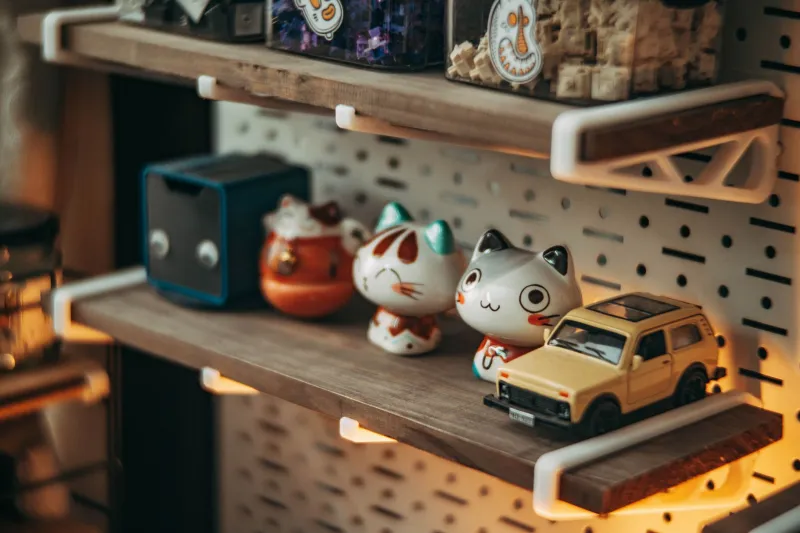
Displaying your pieces properly does two things. It protects them, which matters even at this price point, and it lets you actually see what you have. Half the joy of this hobby is the shelf itself. A $15 figure in a good display setup outperforms a $150 figure buried in a shipping box.
Restraint Is a Skill
The collectors who burn out fastest are the ones who sprint. They buy everything in month one, hit decision fatigue, realize half their pieces don't actually speak to them, and quietly quit. The ones still collecting five years from now learned early that the gap between drops — the waiting, the wanting — is part of the experience.
So budget your restraint the same way you budget your money. Maybe it's one purchase per paycheck. Maybe it's one series per month. Whatever rule you pick, pick one. Future you, staring at a shelf full of pieces that all earned their spot, will be glad you did.
Two hundred dollars won't buy you a grail. But it'll buy you something better: the beginning of a collection with a point of view. And that's the part that compounds.