When Life Hits the Shelf: The Unglamorous Truth About Collections Under Pressure
The collecting content you see online is almost always the highlight reel. New acquisitions. Completed sets. Pristine shelves photographed in golden hour light. What you almost never see is the other part — the boxes crammed into a storage unit off the highway, the figures wrapped in newspaper because the good packing supplies ran out, the spreadsheet of pieces you've decided to sell because the rent math stopped working.
That part is real too. For a lot of collectors, it's actually the part that defines their relationship with the hobby more than any grail acquisition ever did.
This is a piece about that part.
The Move That Changes Everything
Relocation is probably the single most common collection stress event, and it catches people off guard every time. You've been living with your collection for years. You know exactly where everything is. The shelves are calibrated. The lighting is dialed in. Then you get a job offer in another city, or your lease ends and the new place is smaller, and suddenly you're looking at forty-plus pieces and doing math that doesn't add up.
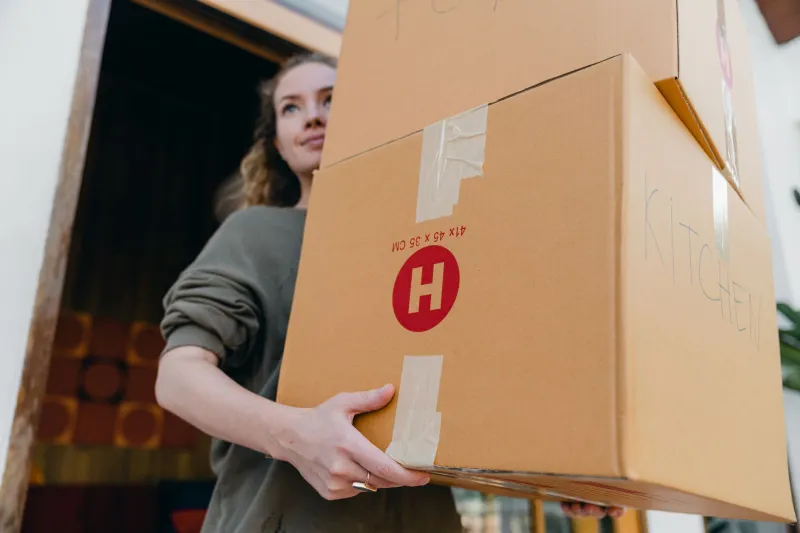
The physical logistics alone are brutal. Designer toys and art figures — especially larger vinyl pieces — don't pack like books or clothes. Blind box figures with their original packaging are bulky. Limited edition pieces with elaborate display cases require custom packing solutions that take time and money. Professional art shippers exist and are worth every penny for truly irreplaceable pieces, but most people aren't calling a professional shipper for their entire collection. Most people are improvising with bubble wrap at 11 PM the night before the truck shows up.
The decisions you have to make under that kind of time pressure are ones you'll second-guess for years. What gets professional packing? What gets consolidated? What, if you're being honest with yourself, doesn't make the cut?
One collector in Austin described packing up a 200-piece collection for a cross-country move as "the most honest conversation I've ever had with myself about what I actually care about." He moved with about 130 pieces. The rest sold in the two weeks before the truck arrived, some at prices he wasn't thrilled about, because time was the constraint.
The Relationship Math Nobody Wants to Do
Here's an uncomfortable truth that doesn't get discussed enough: shared living spaces and serious collections are in constant negotiation, and sometimes the negotiation fails.
When a long-term relationship ends and two people split a shared apartment, collections are rarely the central drama. But they're almost always part of it. Who gets the display space? What happens to the pieces bought together? What do you do with the figures that now carry memories you're actively trying to not think about?
Some collectors describe going through a purge phase after a breakup — selling or donating pieces associated with a specific era of their life as a way of physically clearing space for whatever comes next. Others do the opposite, leaning into the collection as a source of stability during an unstable period. Neither approach is wrong. Both are more emotionally loaded than the hobby's reputation might suggest.
The practical challenge is that emotional decisions made quickly often have financial consequences that linger. Selling pieces fast to clear space or create psychological distance from an old life usually means selling below market. The resale market rewards patience, and breakups don't tend to create patient sellers.
Financial Pressure and the Pivot Decision
This one is the hardest to talk about openly, which is exactly why it should be talked about.
Designer toy collecting can be an expensive hobby that scales up gradually enough that the total commitment sneaks up on you. A collection worth $8,000 to $12,000 isn't unusual for someone who's been in the hobby a few years and made thoughtful acquisitions. That's also real money that can matter a lot when circumstances change — a job loss, a medical bill, a business that hits a rough patch.
Liquidating a collection under financial pressure is genuinely painful, but it's also something the market handles reasonably well when you approach it strategically. The designer toy resale ecosystem — through platforms like StockX, dedicated Discord servers, and established resale communities — has enough depth that a patient, organized seller can recover meaningful value from a collection. The key word is patient, which is sometimes a luxury and sometimes not.
The collectors who navigate financial pressure best tend to be the ones who've maintained some mental separation between the pieces that are purely personal and the pieces that were always partly investments. Liquidating investment-minded acquisitions feels different, and less devastating, than selling something you bought because it made you genuinely happy.
Burnout Is Real and It Deserves Respect
Not every collection crisis is driven by external circumstances. Sometimes the pressure comes from inside the hobby itself.
Collector burnout is real, underdiagnosed, and often misread as disillusionment with specific pieces or artists when it's actually something broader. The constant drop cycles, the resale market monitoring, the social pressure to stay current and keep acquiring — it accumulates. Some collectors hit a wall where the hobby that used to energize them starts feeling like homework.
The instinct at that point is often to sell everything, which is sometimes the right call and sometimes a decision people regret when the burnout fades. A more sustainable approach for a lot of collectors is a deliberate pause — moving pieces into storage rather than selling them, stepping back from drop culture for a season, letting the relationship with the hobby reset before making permanent decisions.
Storage units, done right, can be a legitimate collecting strategy rather than a sign of failure. Climate-controlled units in most US cities run $100 to $200 a month for a space that can comfortably hold a significant collection. That's not nothing, but it's cheaper than the regret of selling a grail piece at burnout prices and trying to rebuy it two years later at full secondary market value.
The Pieces That Survive Every Transition
Ask any collector who's been through a major life disruption which pieces they kept and why, and you'll almost always get the same kind of answer. Not the most expensive pieces. Not the rarest colorways. The pieces that survived are the ones with the strongest personal attachment — the first figure that made them feel like a real collector, the piece they hunted for months, the one that was a gift from someone who actually understood what they were into.
That's not a coincidence. It's information. The collection that remains after life applies pressure is, in a weird way, the truest version of your collection — stripped of the acquisitions made for clout or investment logic or FOMO, down to the pieces that were always about something more personal.
The unglamorous reality of collections under pressure is that they reveal what the collecting was actually about all along.