Coming Out of the Curio Cabinet: Why Collectors Are Finally Showing the World What They've Been Hiding
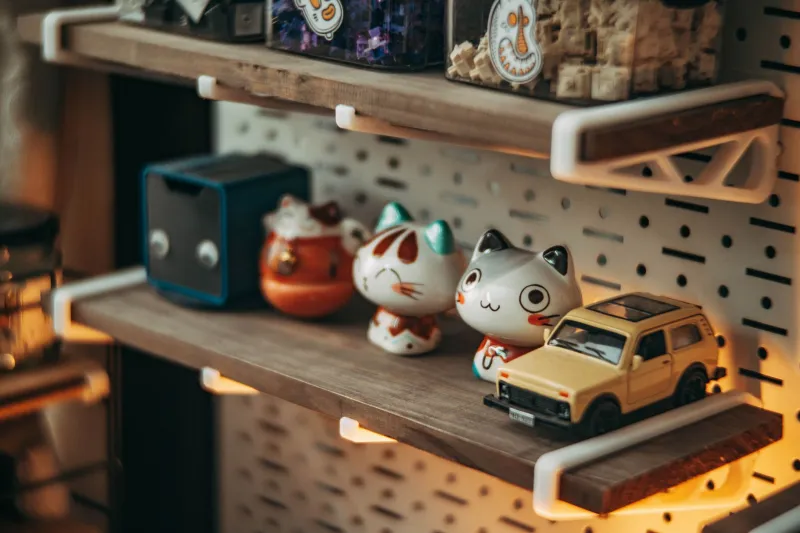
There's a specific kind of anxiety that hits when you're about to post your collection online for the first time. You've got maybe forty figures arranged just right, the lighting is perfect, and your thumb is hovering over the share button. Then the questions start. What will people think? Will they judge the gaps? Will someone screenshot my rarest pieces and start asking uncomfortable questions about money?
For a long time, that anxiety won. Collector culture in the designer toy space was quietly, almost stubbornly private. You knew what you had. Your close circle knew. That was enough.
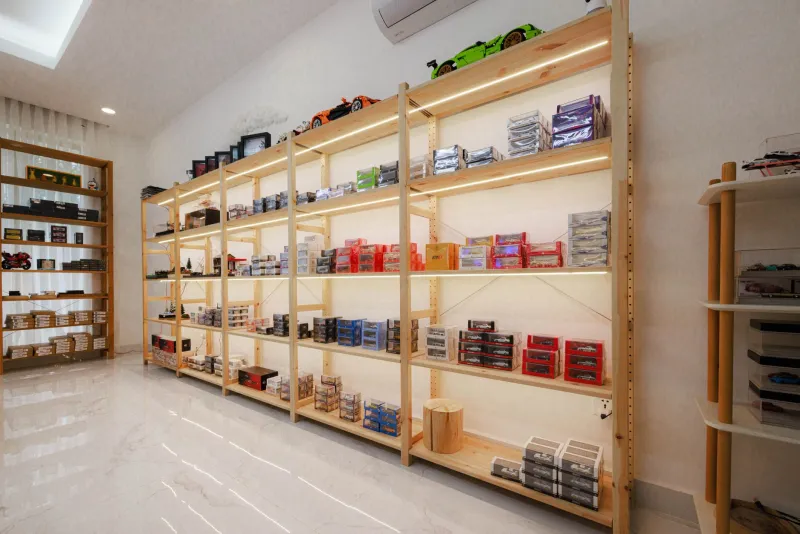
But scroll through Instagram or TikTok right now and you'll find something different. Shelves are being filmed. Hauls are being unboxed on camera. People are cataloging entire collections in YouTube videos that run forty minutes long and still leave comments begging for more. Something cracked open, and the flood of shared collections is reshaping everything — community dynamics, resale markets, and the psychology of what it even means to own something special.
The Old Guard Kept It Quiet — And Had Good Reasons
Ask collectors who were deep in the designer toy world a decade ago and most will tell you the same thing: you didn't broadcast what you had. Part of it was practical. Advertising a $15,000 collection in your apartment wasn't exactly smart from a security standpoint. Part of it was cultural. The community had a gatekeeping instinct — information about rare pieces, upcoming drops, and trusted sellers felt like currency, and you didn't hand it out freely.
There was also something more personal at play. Collecting designer toys, art figures, and lifestyle pieces like Labubu has always occupied a weird cultural space in America. It's not like collecting vintage cars, which carries a kind of unquestioned masculine prestige. It's not stamp collecting, which is at least old enough to seem eccentric-but-harmless. Designer toy collecting sits in a zone where people still occasionally raise an eyebrow and ask if you're a little old for toys. Keeping things private meant never having to answer that question.
What Changed: The Algorithm Rewrote the Social Contract
The shift didn't happen overnight, but the mechanism is pretty clear in hindsight. Social media platforms — especially TikTok and Instagram — started rewarding collection content aggressively. A well-shot shelf tour could pull hundreds of thousands of views. Blind box opening videos became their own genre. Suddenly, the thing you'd been hiding in your spare room was potential content, and content had value that was visible and measurable in ways a private collection never could be.
But it wasn't purely mercenary. A lot of collectors describe something genuinely emotional about the moment they first shared publicly. There's a relief to it. Years of quiet enthusiasm finally finding an audience. Comments rolling in from people who understand exactly why a particular colorway matters, or why you waited six months for a specific drop. The community that existed in private group chats started bleeding out into public spaces, and it turned out there were a lot more people out there than anyone had realized.
For pieces like Labubu — which carry a social energy that practically demands to be shown off — going public felt almost inevitable. These aren't figures you tuck away. They're made to be seen, reacted to, debated.
The Anxiety of Visibility Doesn't Disappear — It Transforms
Here's what nobody tells you before you post that first shelf photo: going public doesn't end the anxiety. It just changes its shape.
Instead of worrying whether people will judge you for collecting, you start worrying about something more specific. Authentication becomes suddenly urgent when strangers are scrutinizing your pieces in the comments. The gaps in your collection — the grails you haven't landed, the colorways you're still chasing — feel more exposed. And there's a new, strange pressure to keep updating, keep acquiring, keep showing progress.
Some collectors describe a phenomenon that feels almost like performance anxiety. The shelf that felt complete and satisfying in private starts looking sparse once you're comparing it to the massive, museum-quality displays other people are posting. The joy of owning something shifts slightly toward the joy of showing something, and those aren't always the same feeling.
There's also a resale dimension that kicks in fast. Once your collection is documented publicly, pieces take on a different kind of value. Provenance matters more. A figure that's been photographed, tagged, and timestamped on a known collector's feed carries a kind of soft authentication that the market has started to recognize. Serious buyers will actually check a seller's post history before completing a transaction. Your public presence becomes part of your credibility.
Community Dynamics Are Getting Redrawn
The transparency trend is doing something interesting to collector communities. The old gatekeeping model — where information flowed through private networks and access was earned slowly — is getting disrupted. New collectors can now walk into the hobby with a clearer picture of what the landscape looks like, what things are worth, and who the respected voices are. That's genuinely good for the hobby's growth.
At the same time, it's creating new hierarchies. The collectors with the most visually compelling setups, the most consistent posting schedules, and the best camera equipment are becoming community anchors in ways that don't always correlate with actual collecting depth or knowledge. Clout is starting to matter in spaces where it used to be irrelevant.
The most interesting collectors to watch right now are the ones navigating this tension thoughtfully — sharing enough to participate in the community conversation, but protecting the parts of their practice that feel personal. They'll post a shelf overview but not inventory everything. They'll share a grail acquisition but keep the price private. They're building a public presence without surrendering the private pleasure that made collecting worth doing in the first place.
Going Public on Your Own Terms
If you're sitting on a collection you've never shared and you're feeling the pull to change that, the most useful thing to understand is this: you control the frame. Going public doesn't mean going transparent about everything. It means choosing what story you want to tell about your collection and telling it intentionally.
Start with the pieces you're genuinely proud of rather than trying to document everything at once. Let the community find you through quality rather than volume. And don't mistake visibility for validation — the collection was real and meaningful before anyone else saw it.
The curio cabinet was never the problem. What's changed is that keeping it locked forever is no longer the only option.