My Shelf, My Rules: Surviving the Collection vs. Cohabitation Standoff
Let's be honest: the moment you started stacking shelves with blind boxes and limited-edition art figures, you signed up for a conversation you didn't necessarily want to have. Your roommate raises an eyebrow. Your partner sighs audibly every time a new package arrives. Your mom, visiting for the holidays, asks if you're 'still doing the toy thing.' And somewhere between defending your hobby and keeping the peace, you wonder if there's a version of this where everyone just... gets it.
Spoiler: there is. But it takes a little strategy, a lot of patience, and a willingness to see your collection through someone else's eyes—at least temporarily.
Why Non-Collectors See Clutter Where You See Curation
Here's the thing nobody tells you when you first get deep into designer toys: your passion is genuinely invisible to outsiders. When you look at a shelf of carefully arranged Labubu figures, you see intentionality. You see limited colorways, artist collaborations, blind box odds beaten against the universe. You see money, time, and emotional investment made physical.
When your roommate walks past that same shelf, they see... stuff. Plastic stuff. A lot of it.
This isn't a failure of imagination on their part—it's just the reality of any specialized hobby. A vinyl record collector's apartment looks like a fire hazard to someone who streams everything. A sneakerhead's closet looks like a warehouse to anyone who owns two pairs of shoes. Context is everything, and most people living with collectors simply don't have it.
The good news? Context is something you can actually give them.
Making the Case Without Being Insufferable About It
Resisting the urge to deliver a forty-five-minute lecture on the designer toy market is genuinely hard when you're passionate. But that approach rarely lands. Instead, try leading with the part of collecting that's universally relatable: the feeling.
Talk about the hunt. The dopamine hit of pulling a rare colorway from a blind box. The satisfaction of finally tracking down a piece you've been chasing for months. Most people understand the thrill of wanting something and eventually getting it—they just express it differently. Frame your collection as the physical record of those moments, not as an accumulation of objects, and you'll find more common ground than you expected.
If your partner or roommate is more visually minded, try bringing them into the aesthetic side of things. Ask for their input on display arrangements. People tend to tolerate—and even appreciate—things they feel some ownership over. A roommate who helped you decide where to put the KAWS shelf is a lot less likely to complain about it later.
Negotiating Display Real Estate Like an Adult
Shared living spaces are, at their core, a negotiation. And like any negotiation, the collector who comes in with a clear position and a willingness to compromise is going to do better than the one who just... keeps buying shelves and hoping nobody notices.
Start by identifying your non-negotiables. Maybe it's the living room bookcase. Maybe it's the entryway console table. Pick your battles before they start, and be genuinely willing to cede the rest. A dedicated collector room or bedroom display is a much easier sell than a full apartment takeover.
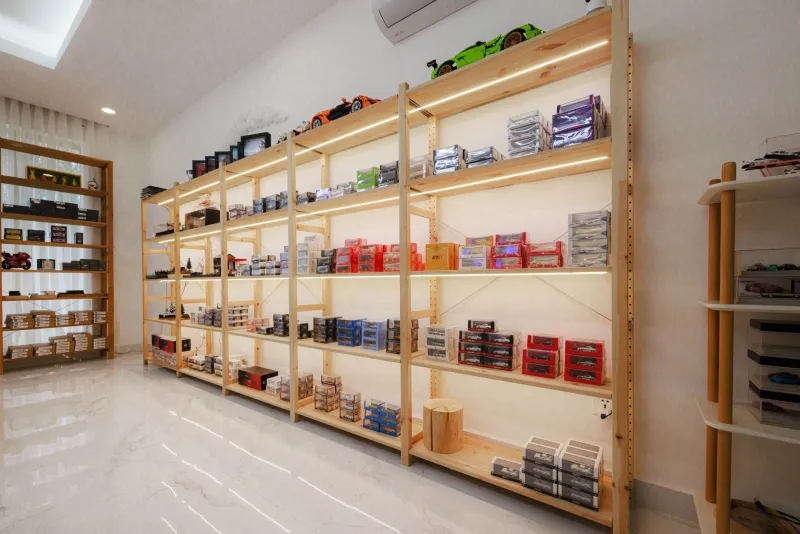
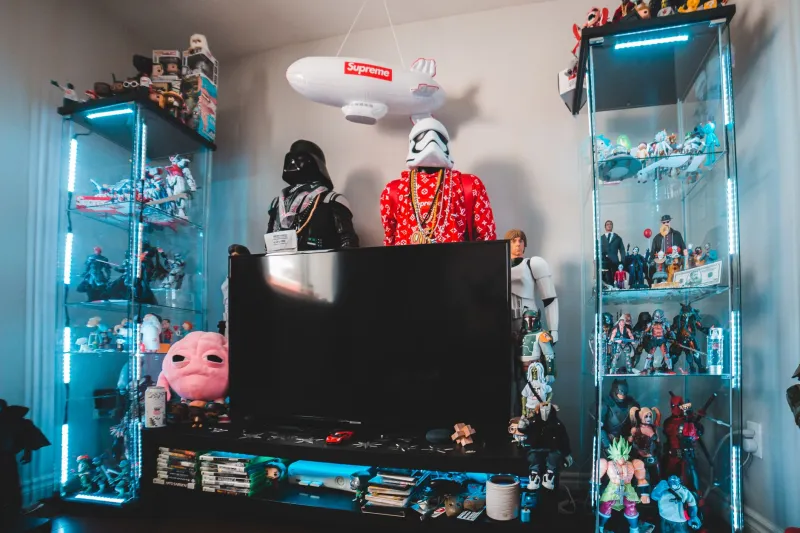
From there, consider the presentation angle. Enclosed display cases—especially well-lit ones—read as intentional and gallery-like rather than cluttered. The difference between a clean IKEA Detolf with LED strips and a bunch of figures sitting on an open shelf is significant to the untrained eye. Investing in good display infrastructure isn't just good for your collection's longevity; it's a legitimate negotiating tool with the people you live with.
Also: don't underestimate the power of a cleaning schedule. A dusty, disorganized display is a much harder sell than one that's clearly maintained. Regular upkeep signals that this is a considered lifestyle choice, not a hoarding situation in slow motion.
The 'One In, One Out' Conversation (And Whether You Actually Have to Have It)
At some point, a cohabitant is going to suggest the one-in-one-out rule. And look—it's not the worst idea in the world, even if it stings a little to hear it.
The honest answer is that most serious collectors naturally cycle pieces over time anyway. You sell duplicates, you trade up for better condition versions, you let go of figures that no longer fit the direction of your collection. Framing this natural process as a mutual agreement can go a long way toward reducing household tension without actually changing much about how you collect.
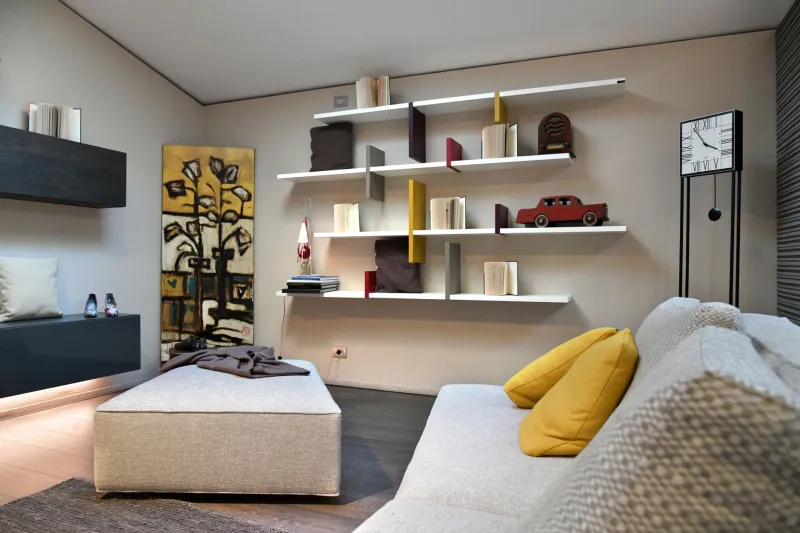
If the one-in-one-out conversation is really about space, address the space problem directly. Wall-mounted shelving, vertical storage, and multi-tiered display risers can dramatically increase your display capacity without expanding your footprint. Show your roommate or partner that you're thinking about the shared space, not just your own.
When the Friction Is Actually About Something Else
Sometimes the argument about shelves isn't really about shelves. If a partner is frustrated about your collection, it's worth asking whether the real conversation is about money, about attention, or about feeling like their preferences don't matter in a shared space. These are legitimate concerns that deserve a genuine response—not a defensive breakdown of resale values.
Collecting is a deeply personal pursuit, and it's okay to protect that. But the people you live with deserve to feel heard, too. The collectors who navigate cohabitation best aren't the ones who win every argument—they're the ones who make the people around them feel like partners in the hobby, even if those partners never buy a single blind box themselves.
Your collection tells a story about who you are and what you care about. The goal is to tell that story in a way that makes the people in your life curious about it, not resentful of it. That's a harder thing to display than a rare figure—but it's worth the effort.